


The tool that generates unprecedented ESG data
Leverage innovative corporate ESG KPIs on employees’ CSR potential to steer your activities (HR, organization, risk management, reporting, etc.).



Why generate innovative ESG data about employees?


Background
In recent years, companies have faced an intensification of regulations related to CSR, resulting in new risks that are now legally formalized.
These risks can be costly for businesses in legal, reputational, and operational terms, primarily manifesting as greenwashing, violations of CSR policies by employees, and erosion of workplace relationships
Ces risques peuvent découler des employés, mais aussi des collaborateurs travaillant avec l’entreprise, sans statut d’employé.
These risks may arise from employees, but also from collaborators working with the company without employee status.
Current events illustrate these issues with concrete cases.
Take, for example, the French oil company that was prosecuted in 2022, and the Dutch airline that was convicted in 2024. And it’s not going to stop there, because Europe is getting busy on these issues. Like the French context, as exemplified by the Climate and Resilience Act (2021), which provides for fines of up to €1.5 million for listed companies or 10% of annual turnover in the event of greenwashing.
A French nursing home operator was sentenced in 2022 to pay €65,000 following the death of a resident due to mistreatment.
Difficult to measure, it is an emerging phenomenon linked to the spread of CSR requirements in organizations, raising awareness among employees. This is a global phenomenon, as conscious quitting figures are found in France as well as in other countries.
Various studies and surveys indicate that employees are increasingly sensitive to the values of their employers, with figures suggesting that over 80% of employees are concerned about alignment. Between 50% and 67% of them express a willingness to leave their jobs if their company’s values do not align with their own, with a portion indicating they have already done so.
In the face of this inevitable organizational transformation, companies need to identify their untapped CSR resources and rely on unprecedented ESG KPIs.
No Solution on the Market
In light of recent cases involving companies facing accusations of greenwashing and inappropriate collaborator behavior, there is currently no viable solution available in the market. The closest alternatives are traditional the Assessment Center and CSR analysis of companies.
 The Assessment Center is a method that evaluates a person’s skills and reflexes to hold a specific position through various exercises (simulations, role-playing, psychometric tests, etc.).
The traditional Assessment Center therefore remains largely irrelevant for mitigating greenwashing or actions that may violate the company’s CSR policy, as the Assessment Center focuses on an individual’s competencies in given situations, which does not stimulate the potential to face the broader challenges of CSR. Determining whether a person has good interpersonal skills or leadership abilities does not in itself provide indications about the reflexes regarding CSR.
 CSR analysis of companies evaluates how an organization integrates CSR principles into its activities from an ESG (environmental, social and governance) perspective through its policies and means.
Thus, CSR analysis of companies focuses on the policies and means of companies, ignoring CSR analysis of employees, who are at the heart of the aforementioned CSR risks that can create greenwashing and actions breaching a company’s CSR policy. The case of the French nursing home company shows this reality, as it was well-rated in terms of CSR policy. This did not prevent it from being involved in scandals caused by its employees.
Solution: Our Platform ETHIKYOU
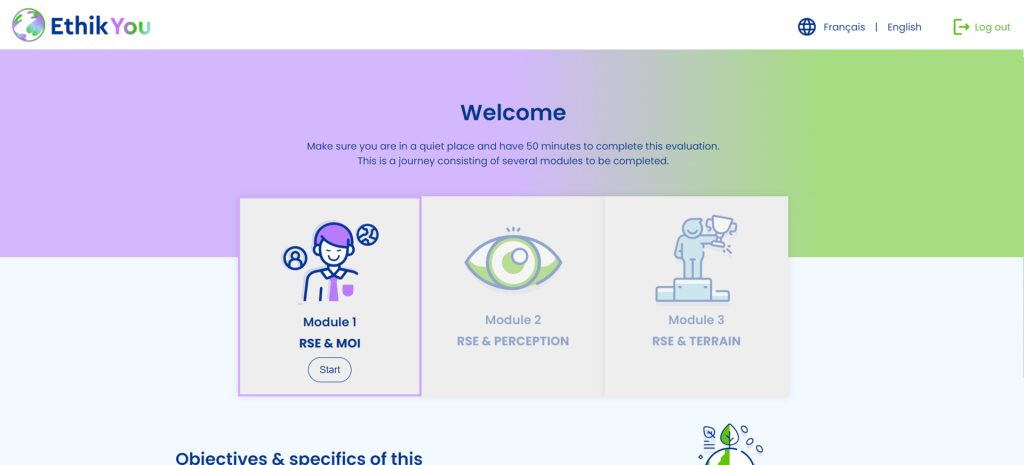
After several months of delay for which we would like to apologize to our potential partners and clients met during the HR Technologies France 2024 event, our ETHIKYOU platform now provides companies with a solution to assess employees’ CSR potential, generating more relevant data to leverage corporate ESG KPIs built around their teams’ strengths in sustainability approaches.
Compliant with the GDPD (General Data Protection Directive), while taking inspiration from the Assessment Center and the CSRD (Corporate Sustainability Reporting Directive), the ETHIKYOU platform is a solution that can be used independently or in addition to these approaches. Indeed, through its features and perspectives, our platform helps to address the weaknesses of Assessment Centers and companies’ CSR analyses:
– For the Assessment Center, the ETHIKYOU platform makes it possible to bridge the gaps. On the one hand, by bringing a CSR dimension to the observation, and on the other, by further assessing employees’ instincts, intuitions, and sensitivities. These elements form the constant and innate aptitudes that condition people’s daily behaviors, which is uncorrelated with the specific and acquired skills required by precise situations. By aligning these constant abilities with CSR methodologies and frameworks focused on the human aspect, the platform helps stimulate employees’ skills and reflexes to address situations such as greenwashing, violations of the company’s CSR policies, or conscious quitting. Beyond supplementing the Assessment Center with a CSR dimension for a position or a managerial review, the platform enables observation based on a rational approach and methods that present figures, texts, and visuals;
– For CSR analysis of companies, the ETHIKYOU platform addresses the lack of CSR analysis on employees. Indeed, while corporate CSR analysis focuses on the specificities of an organization translated into policies and means, our platform concentrates on employees or collaborators facing CSR. In this sense, our platform performs CSR analysis specifically designed to adapt to humans. This includes complex and unique methodologies and frameworks, developed over nearly two years with the essential CSR/ESG expertise required for this type of solution, as well as human-related expertise that goes beyond the scope of CSR (HR, psychology, coaching, etc.). Beyond CSR analysis of employees through a tailored assessment process, our platform includes a dashboard offering features and insights to explore how each employee can be a CSR asset for the company.
Our solution enables companies to strengthen their compliance with increasingly demanding CSR regulations and to care for their employees through the generation of smarter ESG data. To extend the solution, we offer consulting and support services.
Designed to generate KPIs for organizational management and the analysis of existing but untapped CSR resources
The ETHIKYOU platform includes a dashboard and an unique assessment journey to reveal employees’ natural potentials for CSR that can only emerge within an appropriate framework and with suitable criteria. Similar to potential in art or sports, if a person is not observed in suitable situations and with appropriate criteria, their natural aptitudes for the field will remain hidden. The same applies to the field of CSR.
This is where the ETHIKYOU platform stands out as a powerful tool to harness employees’ CSR strengths and create innovative corporate indicators. This thus opens up two initial opportunities for the company. On the one hand, to unleash employees’ full potential and make it a driver of CSR performance, while improving their experience in the company. On the other hand, it generates new data which, once aggregated, becomes corporate ESG data enabling the use of unprecedented KPIs. In a digital format and adaptable to regional specificities, the ETHIKYOU platform is easily integrable and complementary to existing HR tools to extend recruitment, career management (internal mobility) or skills development processes.
For months, both in terms of its user features and its CSR assessment process, the platform has undergone testing as part of a continuous improvement process. The assessment process, built on rigorous methodologies and supported by diverse expertise (CSR/ESG, HR, psychology, coaching, law, accounting, etc.), generates indicators (figures, text, visuals) that can be used according to objectives, providing access to unprecedented data in this field.
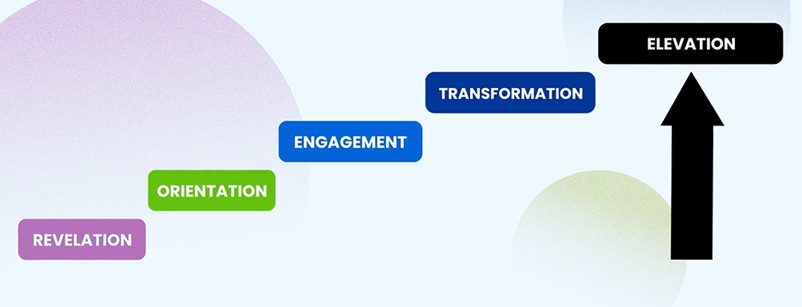
Thus, whether it’s to reveal, orient, engage, or explore how the employee can support the company’s transformation, our platform offers solutions to address every CSR-related situation that forms part of the journey to help both the employee and the company grow.
Advantages of Our ETHIKYOU Platform
Risk Mitigation
Legal & Reputational
1.1. Anticipating Greenwashing Risks
La plateforme permet de générer différents indicateurs d’entreprise pour mesurer l’exposition au greenwashing et lancer des actions pour l’atténuer. This is made possible through the employee’s CSR assessment, which opens up a perspective for identifying natural tendencies toward greenwashing based on perceptions and intuitions. These can also be correlated with other indicators (such as conscious quitting, CSR leadership, and individual sensitivities) to reconstruct the employee’s level of awareness and reflexes when faced with CSR realities both those specific to the company’s sector and those common across all industries.
The platform can help reduce the occurrence of greenwashing by assessing individuals’ ability to recognize and avoid it, with sanctions established since 2021 in France under the Climate and Resilience Law No. 2021-1104, and since 2024 in Europe under Directive No. 2024/825.
1.2. Improve the quality of disclosed data to protect reputation
A significant portion of the data required for disclosure under regulations can be complex, thus requiring calculation by employees with expertise in the relevant data topics. The innovation introduced by our platform—combining human CSR analysis, HR, and data, makes this possible. Working directly on a person’s CSR potential to stimulate their interest in sustainability offers the prospect of obtaining the highest possible quality of data. Improving the quality of already published data helps strengthen the reliability and credibility of sustainability information, with the aim of reducing the risk of failing to obtain limited assurance on sustainability reporting and suffering reputational damage.
This phenomenon can be explained by the fact that some highly specific data required by regulations can only be calculated and fully understood by company experts, sometimes located in regions of the world where very particular legal rules apply rules that only these local experts fully master. It is in this respect that, through its work on employees’ CSR potential, the evaluation platform offers an unprecedented perspective for optimizing data quality and the rigor applied in its calculation.
1.3. Preventing CSR Policy Violations
By mapping employees’ CSR drivers and sensitivities, the platform calculates a company’s exposure rate to controversies, thereby helping reduce the risk of scandals arising from within the workforce. It generates insights to better anticipate the risk of CSR policy violations (including company values) caused by a gap between what employees consider acceptable practices and what the company expects from them.
ETHIKYOU produces assessments of a person’s natural tendencies when facing CSR issues, enabling the company to understand how these may or may not align with its CSR policies, given that violations of an organization’s CSR policy often correspond to offenses under the law (such as corruption, negligence in workplace safety, discriminatory hiring practices, or river pollution).
1.4. Raising Awareness about CSR and Improving Regulatory Compliance
Although it requires no prior knowledge to complete, the assessment platform naturally exposes employees to the reality of CSR and sustainable development regulations. This can raise awareness of these issues and facilitate synergy between different professions in achieving compliance with regulations such as the CSRD (Corporate Sustainability Reporting Directive), whose cross-cutting requirements involve various occupations.
By fostering this sensitivity to sustainability issues, the platform serves as a means to mitigate exposure to risks that may arise from lax behavior of employees in tasks required to help the company comply with CSR regulations (complex data calculations subject to audits, implementation of procedures to align with measures, etc.). Indeed, for certain requirements, only specific employees possess the expertise to respond on behalf of the company (e.g. data owners for their data). Therefore, the company must be able to rely on them to do their best to comply with regulations, similar to the “Best effort” concept of the European SFDR (Sustainable Finance Disclosure Regulation).
Operational & HR
2.1. Preventing Erosion of Workplace Relationships and Conscious Quitting
The platform calculates data to link gaps between individual CSR tendencies and levels of conscious quitting. This allows the platform to make available company‑level indicators related to collective weaknesses in CSR and sustainability. Equipped with a feature to analyze compatibilities among employees who have completed the CSR assessment, the platform helps the company identify existing synergies and complementarities within teams, as well as potential isolation experienced by an employee in a team with CSR profiles that differ too greatly.
With the generation of a new set of unprecedented data through the platform, it becomes easier to prevent this type of risk. Through this rational assessment of employee profiles, combined with the ability to analyze their compatibilities, the platform’s methodologies calculate indicators to identify matches or divergences between CSR profiles. As a result, ETHIKYOU serves as a tool to anticipate erosion in work relationships and risks of conscious quitting, by enabling the understanding of how employees can stimulate, complement, or divide each other when facing CSR and sustainability challenges.
2.2. Having Appropriate Indicators to Address Cultural Challenges
As CSR issues vary from one country to another, the platform adapts to employees’ understanding of cultural biases. Indeed, the platform produces company-level indicators that incorporate cultural dimensions into employees’ collective capabilities, including their perspectives shaped by societal norms and legal references that may influence them. An illustration of this is the double materiality analysis of CSR issues, which is only considered in certain jurisdictions where the cultural vision of business shapes this concept. ETHIKYOU provides insights into how employees approach activities involving culturally different counterparts, which is common in the field of CSR.
The platform thus serves as a tool to reduce the risk of internal “conflicts” or tensions by assessing the dominant CSR tendency among employees, with part of the ETHIKYOU assessment automatically adjusted on a case‑by‑case basis from the collaborator’s first response. This allows giving equal opportunities to affirm the dominant CSR tendency for each employee. In doing so, the platform creates a reliable foundation of this tendency to correlate it with other responses through methodologies that calculate indicators by aggregating data. The advantage of these methodologies is to provide a 360° view of a person’s CSR potential, which cannot be understood in isolation on certain questions where cultural “experience” influences reflexes. This is the full complexity of CSR analysis applied to humans, but ETHIKYOU’s calculations allow for the production of usable indicators to see how to mitigate risks of friction related to culture, often shaped by the profession practiced, the industry sector, or even the customs of society and the legal context where the person lives.
1.1. Anticipating Greenwashing Risks
La plateforme permet de générer différents indicateurs d’entreprise pour mesurer l’exposition au greenwashing et lancer des actions pour l’atténuer. This is made possible through the employee’s CSR assessment, which opens up a perspective for identifying natural tendencies toward greenwashing based on perceptions and intuitions. These can also be correlated with other indicators (such as conscious quitting, CSR leadership, and individual sensitivities) to reconstruct the employee’s level of awareness and reflexes when faced with CSR realities both those specific to the company’s sector and those common across all industries.
The platform can help reduce the occurrence of greenwashing by assessing individuals’ ability to recognize and avoid it, with sanctions established since 2021 in France under the Climate and Resilience Law No. 2021-1104, and since 2024 in Europe under Directive No. 2024/825.
1.2. Improve the quality of disclosed data to protect reputation
A significant portion of the data required for disclosure under regulations can be complex, thus requiring calculation by employees with expertise in the relevant data topics. The innovation introduced by our platform—combining human CSR analysis, HR, and data, makes this possible. Working directly on a person’s CSR potential to stimulate their interest in sustainability offers the prospect of obtaining the highest possible quality of data. Improving the quality of already published data helps strengthen the reliability and credibility of sustainability information, with the aim of reducing the risk of failing to obtain limited assurance on sustainability reporting and suffering reputational damage.
This phenomenon can be explained by the fact that some highly specific data required by regulations can only be calculated and fully understood by company experts, sometimes located in regions of the world where very particular legal rules apply rules that only these local experts fully master. It is in this respect that, through its work on employees’ CSR potential, the evaluation platform offers an unprecedented perspective for optimizing data quality and the rigor applied in its calculation.
1.3. Preventing CSR Policy Violations
By mapping employees’ CSR drivers and sensitivities, the platform calculates a company’s exposure rate to controversies, thereby helping reduce the risk of scandals arising from within the workforce. It generates insights to better anticipate the risk of CSR policy violations (including company values) caused by a gap between what employees consider acceptable practices and what the company expects from them.
ETHIKYOU produces assessments of a person’s natural tendencies when facing CSR issues, enabling the company to understand how these may or may not align with its CSR policies, given that violations of an organization’s CSR policy often correspond to offenses under the law (such as corruption, negligence in workplace safety, discriminatory hiring practices, or river pollution).
1.4. Raising Awareness about CSR and Improving Regulatory Compliance
Although it requires no prior knowledge to complete, the assessment platform naturally exposes employees to the reality of CSR and sustainable development regulations. This can raise awareness of these issues and facilitate synergy between different professions in achieving compliance with regulations such as the CSRD (Corporate Sustainability Reporting Directive), whose cross-cutting requirements involve various occupations.
By fostering this sensitivity to sustainability issues, the platform serves as a means to mitigate exposure to risks that may arise from lax behavior of employees in tasks required to help the company comply with CSR regulations (complex data calculations subject to audits, implementation of procedures to align with measures, etc.). Indeed, for certain requirements, only specific employees possess the expertise to respond on behalf of the company (e.g. data owners for their data). Therefore, the company must be able to rely on them to do their best to comply with regulations, similar to the “Best effort” concept of the European SFDR (Sustainable Finance Disclosure Regulation).
2.1. Preventing Erosion of Workplace Relationships and Conscious Quitting
The platform calculates data to link gaps between individual CSR tendencies and levels of conscious quitting. This allows the platform to make available company‑level indicators related to collective weaknesses in CSR and sustainability. Equipped with a feature to analyze compatibilities among employees who have completed the CSR assessment, the platform helps the company identify existing synergies and complementarities within teams, as well as potential isolation experienced by an employee in a team with CSR profiles that differ too greatly.
With the generation of a new set of unprecedented data through the platform, it becomes easier to prevent this type of risk. Through this rational assessment of employee profiles, combined with the ability to analyze their compatibilities, the platform’s methodologies calculate indicators to identify matches or divergences between CSR profiles. As a result, ETHIKYOU serves as a tool to anticipate erosion in work relationships and risks of conscious quitting, by enabling the understanding of how employees can stimulate, complement, or divide each other when facing CSR and sustainability challenges.
2.2. Having Appropriate Indicators to Address Cultural Challenges
As CSR issues vary from one country to another, the platform adapts to employees’ understanding of cultural biases. Indeed, the platform produces company-level indicators that incorporate cultural dimensions into employees’ collective capabilities, including their perspectives shaped by societal norms and legal references that may influence them. An illustration of this is the double materiality analysis of CSR issues, which is only considered in certain jurisdictions where the cultural vision of business shapes this concept. ETHIKYOU provides insights into how employees approach activities involving culturally different counterparts, which is common in the field of CSR.
The platform thus serves as a tool to reduce the risk of internal “conflicts” or tensions by assessing the dominant CSR tendency among employees, with part of the ETHIKYOU assessment automatically adjusted on a case‑by‑case basis from the collaborator’s first response. This allows giving equal opportunities to affirm the dominant CSR tendency for each employee. In doing so, the platform creates a reliable foundation of this tendency to correlate it with other responses through methodologies that calculate indicators by aggregating data. The advantage of these methodologies is to provide a 360° view of a person’s CSR potential, which cannot be understood in isolation on certain questions where cultural “experience” influences reflexes. This is the full complexity of CSR analysis applied to humans, but ETHIKYOU’s calculations allow for the production of usable indicators to see how to mitigate risks of friction related to culture, often shaped by the profession practiced, the industry sector, or even the customs of society and the legal context where the person lives.
Opportunity Creation
1.1. Reducing Turnover Costs, Equivalent on Average to 6 to 9 Months’ Salary
The platform makes it possible to calculate company‑level indicators to help mitigate collective turnover. This is made possible by assessing employees’ non‑financial sensitivities and needs, which may lead them to leave the company if they become bored or no longer find meaning in their roles. For instance, an executive earning €60,000/year represents €30,000 to €45,000 in departure, recruitment, and training costs (1).
Depending on the employee’s profile, the percentages of gross salary represented by a replacement are as follows:
- Newly graduated employee > 35%
- More experienced employee > 150%
- Highly qualified employee > up to 300%-400%
1.2. Reducing Absenteeism (Illness, Burnout, etc.)
Understanding employees’ CSR functioning can help identify incompatibilities and problems within teams or discomfort of certain employees, thereby reducing absenteeism which can represent 4.4% of the wage bill (2).
1.3. Increasing Collaborator Well-being and Confidence
The platform generates various indicators related to employee well‑being within the company, encompassing the search for meaning and the desire to go beyond the status quo (conscious quitting, CSR leadership, quest for challenge, etc.). In addition to this perspective, the platform shows employees that they possess a potential within themselves that represents an asset for the company from a CSR standpoint, thereby helping to combat impostor syndrome and foster well‑being that can generate up to 12% higher productivity per employee (3).
1.4. Stimulating Economic Performance
Beyond individual employee productivity due to well-being, numerous studies have examined the correlation between company performance and CSR, yielding both positive and mixed conclusions. However, there is no doubt that any activity, whatever it may be, will be more effective if carried out by people with suitable natural aptitudes than by those without. The same applies to an employee’s aptitudes for CSR activities; being able to detect these allows the company to go further, due to the transversal nature of CSR activities that inevitably extend to all professions and levels of an organization. It is this transversal nature that means each person has natural aptitudes for CSR, but we must be able to successfully reveal them. This becomes crucial with regulations that are progressively imposing more steps towards CSR.
1.5. Gaining Market Shares
Through the unprecedented ESG data it generates, the platform provides company‑level indicators to support the management of CSR risks related to human factors. In doing so, these indicators provide the company with a competitive advantage (goodwill) to better manage its risks while building greater trust with its clients and potential customers. Trust can be a determining factor for more than 80% of people when it comes to making a purchase (4).
(1) Cabinet Momen (2021). Link: https://cabinet-management-transition.com/turn-over-combien-coute-la-perte-dun-employe/#:~:text=Quel%20est%20le%20co%C3%BBt%20du,%C3%A0%209%20mois%20de%20salaire
(2) Axa (2022). Link: https://www.axa-assurancescollectives.fr/wp-content/uploads/2023/05/Datascope-2023-observatoire-absenteisme.pdf
(3) University of Warwick (2014). Link: https://wrap.warwick.ac.uk/63228/7/WRAP_Oswald_681096.pdf
(4) Edelman (2019). Link: https://www.edelman.com/sites/g/files/aatuss191/files/2019-06/2019_edelman_trust_barometer_special_report_in_brands_we_trust.pdf
2.1. Promoting Contributions to Regulatory ComplianceThe platform provides indicators to assess the company’s prospects in terms of compliance. Moreover, at the individual level, the platform helps reveal a person’s CSR potential by naturally exposing them to sustainability issues. Thus, when a person discovers their “talent” in the field of CSR, it is not uncommon for them to become sensitized to it and naturally engage in tasks increasingly requested by management to comply with regulations, such as the CSRD, which require contributions from all professions within an organization and at different levels of responsibility. 2.2. Improving Employer BrandingThe platform allows the company to assert a CSR approach in its DNA to external stakeholders (candidates, clients, public authorities, civil society, etc.), particularly with a desire to create natural employee involvement in environmental issues. This demonstrates a CSR approach that can mitigate the dissatisfaction of stakeholders who are increasingly resorting to legal action when it comes to environmental harm (climate inaction in the name of the duty of vigilance, etc.).2.3. Retaining, Engaging and Attracting Talent
Access to company‑level insights on conscious quitting, through an understanding of the CSR drivers of current employees and job candidates, makes it easier to align non‑financial values between the company and its workforce. By identifying the nature and distribution of employees’ conscious quitting tendencies, ETHIKYOU can generate more comprehensive insights into their alignment with the company, notably through data on individuals’ CSR functioning and CSR leadership.
The platform thus provides the company with valuable data to capitalize on conscious quitting, whose impact is significant but analysis is complex. This is where ETHIKYOU creates opportunities, as it is a tool that incorporates methodologies that take into account the complexity of human nature, and provides precise insights to the company that would be impossible without an adapted analysis. For example, without analysis, it is common to view strong conscious quitting as a danger for a controversial company. However, when a person’s conscious quitting is considered in correlation with other natural characteristics, it may emerge as an asset for the controversial company. Indeed, the latter will precisely need a person with a strong conscious quitting tendency to drive CSR initiatives, especially if it is associated with appropriate leadership, which will in turn depend on the secondary CSR tendencies or the CSR functioning of the individual.
Thus, ETHIKYOU can be a powerful tool for creating opportunities in terms of talent retention, engagement, and attraction as it has rigorous methodologies that are sufficiently flexible to take into account human specificities. This allows for capitalizing on conscious quitting by putting it into perspective with other indicators of CSR potential. The isolated study of conscious quitting does not mean much for the human CSR potential.2.4. Identifying CSR Ambassadors for the CompanyWith tailored company‑level indicators such as the rate of potential internal CSR champions or various estimates of CSR talent pools according to the company’s sustainability approach, the platform helps identify potential CSR ambassadors. Thus, revealing the human CSR potential provides an opportunity to identify employees who are naturally comfortable with sustainability issues and genuinely interested in becoming CSR representatives, either within or outside the company.
3.1. Improve risk management through innovative and smarter CSR data
The platform operates on two levels. On the one hand, the platform produces company‑level indicators that help frame existing and usually invisible risks, which have become identifiable thanks to the unprecedented data generated. On the other hand, the platform enables CSR analysis of employees to help the company better understand and address non‑financial risks within its policies, with the ability to rely on CSR data centered on human actions.
Similarly, CSR analysis of employees allows the company to better understand and address human risks, with the unique ability to turn these risks into opportunities by better guiding or engaging employees. The case of conscious quitting is enlightening because if it is high, a company that does not understand it will see it as a risk, but by understanding it, they can turn it into a valuable asset. 3.2. Accessing a New Tool for HRM that can Assist with PDPsThe CSR evaluation platform is constructed with complex methodologies to calculate sensitivities and natural reflexes towards CSR issues, providing neutral and objective indicators to support career management. The platform can be a precise tool for the Personal Development Plan (PDP) or Skills Development Plan, usable in the employee’s annual performance review to see where they could naturally be most effective in addressing CSR challenges in their current or future position.
3.3. Optimize employee performance with surgical precision using accurate dataHighlighting employees’ potential, by revealing them to create assets for the company’s CSR activities, offers the possibility to respond to the quest for meaning in current or proposed positions. That also facilitates behaviors and cooperation among employees to contribute to the data collection requirements imposed by European regulations related to CSR and sustainability (CSRD, taxonomy, CSDDD (Corporate Sustainability Due Diligence Directive), etc.).3.4. Understanding Employee Motivation LeversLa plateforme génère des indicateurs sur les moteurs et motivations collectives pour soutenir l’entreprise dans la construction et l’orientation de certaines stratégies. Moreover, the individual CSR assessment of employees makes it possible to better identify motivation drivers that address deeper expectations going, for instance, beyond incentives that fail to meet a person’s search for meaning. The platform thus provides insights into the CSR dimension of an individual’s personality, extending methods such as DISC, which measures communication and behavioral styles but represents only a part of one’s personality.3.5. Identifying Secondary Tendencies Adaptable to the Business SectorCompany‑level data on secondary CSR trends, CSR assets, and collective sensitivities provide valuable indicators that can be used to adapt the company’s CSR initiatives to its specific sector. At the individual level, the platform identifies each employee’s natural potential, based on unique combinations of CSR‑related tendencies and reflexes, which represent assets for the company depending on the CSR challenges of its sector and country.3.6. Transforming the Company through CSR PolicySince every CSR policy is driven by employees, their CSR assessment and the resulting indicators on collective trends mark the beginning of the organization’s transformation, enabling it to understand how to position employees within CSR activities.
4.1. Leveraging unprecedented ESG data in communications
The platform collects ESG data and processes it to turn it into unprecedented company‑level indicators. These indicators can serve as KPIs to be used in companies’ communications and reporting. Indeed, since the platform is multifunctional, it can generate KPIs to support companies’ HR, organizational and risk management activities.
4.2. Communicating on the Use of an Innovative Greenwashing Anticipation Tool
The platform provides indications on employees’ reflexes in situations that may create greenwashing, often unintentional, as it stems from each individual’s interpretations, knowledge and understanding of CSR.
4.3. Presenting unprecedented KPIs that create time‑based metrics
One of the platform’s features can allow users to filter results in order to select indicators for measuring progress or trends within the company. In doing so, these KPIs can be used to justify certain developments within the company, whether related to specific performances or more overall trends.
4.4. Increasing Visibility of Collaborator Well-being
The CSR evaluation of collaborators provides indications to help them feel as comfortable as possible during their experiences within the company, which is regularly evaluated in turn through public channels (Glassdoor reviews, surveys, word-of-mouth, etc.).4.5. Developing an Unifying CSR PolicyThrough a CSR tool attentive to employee sensitivities, the company can promote CSR internally and provide optimized support for employee needs, with the platform serving HR professionals, managers and corporate executives.
Financial
1.1. Reducing Turnover Costs, Equivalent on Average to 6 to 9 Months’ Salary
The platform makes it possible to calculate company‑level indicators to help mitigate collective turnover. This is made possible by assessing employees’ non‑financial sensitivities and needs, which may lead them to leave the company if they become bored or no longer find meaning in their roles. For instance, an executive earning €60,000/year represents €30,000 to €45,000 in departure, recruitment, and training costs (1).
Depending on the employee’s profile, the percentages of gross salary represented by a replacement are as follows:
- Newly graduated employee > 35%
- More experienced employee > 150%
- Highly qualified employee > up to 300%-400%
1.2. Reducing Absenteeism (Illness, Burnout, etc.)
Understanding employees’ CSR functioning can help identify incompatibilities and problems within teams or discomfort of certain employees, thereby reducing absenteeism which can represent 4.4% of the wage bill (2).
1.3. Increasing Collaborator Well-being and Confidence
The platform generates various indicators related to employee well‑being within the company, encompassing the search for meaning and the desire to go beyond the status quo (conscious quitting, CSR leadership, quest for challenge, etc.). In addition to this perspective, the platform shows employees that they possess a potential within themselves that represents an asset for the company from a CSR standpoint, thereby helping to combat impostor syndrome and foster well‑being that can generate up to 12% higher productivity per employee (3).
1.4. Stimulating Economic Performance
Beyond individual employee productivity due to well-being, numerous studies have examined the correlation between company performance and CSR, yielding both positive and mixed conclusions. However, there is no doubt that any activity, whatever it may be, will be more effective if carried out by people with suitable natural aptitudes than by those without. The same applies to an employee’s aptitudes for CSR activities; being able to detect these allows the company to go further, due to the transversal nature of CSR activities that inevitably extend to all professions and levels of an organization. It is this transversal nature that means each person has natural aptitudes for CSR, but we must be able to successfully reveal them. This becomes crucial with regulations that are progressively imposing more steps towards CSR.
1.5. Gaining Market Shares
Through the unprecedented ESG data it generates, the platform provides company‑level indicators to support the management of CSR risks related to human factors. In doing so, these indicators provide the company with a competitive advantage (goodwill) to better manage its risks while building greater trust with its clients and potential customers. Trust can be a determining factor for more than 80% of people when it comes to making a purchase (4).
(1) Cabinet Momen (2021). Link: https://cabinet-management-transition.com/turn-over-combien-coute-la-perte-dun-employe/#:~:text=Quel%20est%20le%20co%C3%BBt%20du,%C3%A0%209%20mois%20de%20salaire
(2) Axa (2022). Link: https://www.axa-assurancescollectives.fr/wp-content/uploads/2023/05/Datascope-2023-observatoire-absenteisme.pdf
(3) University of Warwick (2014). Link: https://wrap.warwick.ac.uk/63228/7/WRAP_Oswald_681096.pdf
(4) Edelman (2019). Link: https://www.edelman.com/sites/g/files/aatuss191/files/2019-06/2019_edelman_trust_barometer_special_report_in_brands_we_trust.pdf
Legal & Reputational
2.1. Promoting Contributions to Regulatory ComplianceThe platform provides indicators to assess the company’s prospects in terms of compliance. Moreover, at the individual level, the platform helps reveal a person’s CSR potential by naturally exposing them to sustainability issues. Thus, when a person discovers their “talent” in the field of CSR, it is not uncommon for them to become sensitized to it and naturally engage in tasks increasingly requested by management to comply with regulations, such as the CSRD, which require contributions from all professions within an organization and at different levels of responsibility. 2.2. Improving Employer BrandingThe platform allows the company to assert a CSR approach in its DNA to external stakeholders (candidates, clients, public authorities, civil society, etc.), particularly with a desire to create natural employee involvement in environmental issues. This demonstrates a CSR approach that can mitigate the dissatisfaction of stakeholders who are increasingly resorting to legal action when it comes to environmental harm (climate inaction in the name of the duty of vigilance, etc.).2.3. Retaining, Engaging and Attracting Talent
Access to company‑level insights on conscious quitting, through an understanding of the CSR drivers of current employees and job candidates, makes it easier to align non‑financial values between the company and its workforce. By identifying the nature and distribution of employees’ conscious quitting tendencies, ETHIKYOU can generate more comprehensive insights into their alignment with the company, notably through data on individuals’ CSR functioning and CSR leadership.
The platform thus provides the company with valuable data to capitalize on conscious quitting, whose impact is significant but analysis is complex. This is where ETHIKYOU creates opportunities, as it is a tool that incorporates methodologies that take into account the complexity of human nature, and provides precise insights to the company that would be impossible without an adapted analysis. For example, without analysis, it is common to view strong conscious quitting as a danger for a controversial company. However, when a person’s conscious quitting is considered in correlation with other natural characteristics, it may emerge as an asset for the controversial company. Indeed, the latter will precisely need a person with a strong conscious quitting tendency to drive CSR initiatives, especially if it is associated with appropriate leadership, which will in turn depend on the secondary CSR tendencies or the CSR functioning of the individual.
Thus, ETHIKYOU can be a powerful tool for creating opportunities in terms of talent retention, engagement, and attraction as it has rigorous methodologies that are sufficiently flexible to take into account human specificities. This allows for capitalizing on conscious quitting by putting it into perspective with other indicators of CSR potential. The isolated study of conscious quitting does not mean much for the human CSR potential.2.4. Identifying CSR Ambassadors for the CompanyWith tailored company‑level indicators such as the rate of potential internal CSR champions or various estimates of CSR talent pools according to the company’s sustainability approach, the platform helps identify potential CSR ambassadors. Thus, revealing the human CSR potential provides an opportunity to identify employees who are naturally comfortable with sustainability issues and genuinely interested in becoming CSR representatives, either within or outside the company.
Operational & HR
3.1. Improve risk management through innovative and smarter CSR data
The platform operates on two levels. On the one hand, the platform produces company‑level indicators that help frame existing and usually invisible risks, which have become identifiable thanks to the unprecedented data generated. On the other hand, the platform enables CSR analysis of employees to help the company better understand and address non‑financial risks within its policies, with the ability to rely on CSR data centered on human actions.
Similarly, CSR analysis of employees allows the company to better understand and address human risks, with the unique ability to turn these risks into opportunities by better guiding or engaging employees. The case of conscious quitting is enlightening because if it is high, a company that does not understand it will see it as a risk, but by understanding it, they can turn it into a valuable asset. 3.2. Accessing a New Tool for HRM that can Assist with PDPs The CSR evaluation platform is constructed with complex methodologies to calculate sensitivities and natural reflexes towards CSR issues, providing neutral and objective indicators to support career management. The platform can be a precise tool for the Personal Development Plan (PDP) or Skills Development Plan, usable in the employee’s annual performance review to see where they could naturally be most effective in addressing CSR challenges in their current or future position.
3.3. Optimize employee performance with surgical precision using accurate data Highlighting employees’ potential, by revealing them to create assets for the company’s CSR activities, offers the possibility to respond to the quest for meaning in current or proposed positions. That also facilitates behaviors and cooperation among employees to contribute to the data collection requirements imposed by European regulations related to CSR and sustainability (CSRD, taxonomy, CSDDD (Corporate Sustainability Due Diligence Directive), etc.).3.4. Understanding Employee Motivation Levers The platform generates indicators on collective drivers and motivations to support the company in the development and direction of specific strategies. Moreover, the individual CSR assessment of employees makes it possible to better identify motivation drivers that address deeper expectations going, for instance, beyond incentives that fail to meet a person’s search for meaning. The platform thus provides insights into the CSR dimension of an individual’s personality, extending methods such as DISC, which measures communication and behavioral styles but represents only a part of one’s personality.3.5. Identifying Secondary Tendencies Adaptable to the Business Sector Company‑level data on secondary CSR trends, CSR assets, and collective sensitivities provide valuable indicators that can be used to adapt the company’s CSR initiatives to its specific sector. At the individual level, the platform identifies each employee’s natural potential, based on unique combinations of CSR‑related tendencies and reflexes, which represent assets for the company given the CSR challenges of its sector and country. 3.6. Transforming the Company through CSR Policy Since every CSR policy is driven by employees, their CSR assessment and the resulting indicators on collective trends mark the beginning of the organization’s transformation, enabling it to understand how to position employees within CSR activities.
Marketing & Strategic
4.1. Leveraging unprecedented ESG data in communications
The platform collects ESG data and processes it to turn it into unprecedented company‑level indicators. These indicators can serve as KPIs to be used in companies’ communications and reporting. Indeed, since the platform is multifunctional, it can generate KPIs to support companies’ HR, organizational and risk management activities.
4.2. Communicating on the Use of an Innovative Greenwashing Anticipation Tool
The platform provides indications on employees’ reflexes in situations that may create greenwashing, often unintentional, as it stems from each individual’s interpretations, knowledge and understanding of CSR.
4.3. Presenting unprecedented KPIs that create time‑based metrics
One of the platform’s features can allow users to filter results in order to select indicators for measuring progress or trends within the company. In doing so, these KPIs can be used to justify certain developments within the company, whether related to specific performances or more overall trends.
4.4. Increasing Visibility of Collaborator Well-being
The CSR evaluation of collaborators provides indications to help them feel as comfortable as possible during their experiences within the company, which is regularly evaluated in turn through public channels (Glassdoor reviews, surveys, word-of-mouth, etc.). 4.5. Developing an Unifying CSR Policy Through a CSR tool attentive to employee sensitivities, the company can promote CSR internally and provide optimized support for employee needs, with the platform serving HR professionals, managers and corporate executives.

Our Features

Access to a secure space to manage the evaluation platform as a tool
Generation of unprecedented ESG data and KPIs to guide the company’s activities.
Sending the evaluation only to selected employees (or collaborators)
Monitoring of the evaluation dispatch and its progress from a secure space
Notification on the secure space when the evaluation is completed
Presentation of results with visual, quantitative and qualitative data
Creation of a customized report for each employee to understand the results
Downloading of each employee’s results in PDF format
Accessibility to results, evaluation and secure space in both French and English
Creation of filters on employee evaluation results
Provision of a neutral evaluation revealing the natural CSR strengths of all
Option to delete data via the secure space in compliance with the GDPR
Our Offers

CORPORATE INDICATORSThese indicators, based on unprecedented data, help steer HR activities, organizational management, risk reduction, performance direction, and its monitoring Examples of use cases: HR (leverage existing employees and turn them into CSR ambassadors instead of hiring new CSR roles to strengthen the CSR team); ORGANIZATION (assess exposure to ill‑being in the company in order to adopt a strategy to reduce turnover); RISK (extend the risk management policy with innovative KPIs and use them in the double materiality analysis); REPORTING (select KPIs from the company indicators to show trends and prepare to communicate on them by making these data auditable).
- Identify untapped resources within the company and develop them
- Access unprecedented data to build strategies
- Adopt measures to address newly identified risks
- Define novel ESG KPIs to address emerging obstacles to performance and enable its monitoring (ESG‑driven talent within the company, strengths to support ESG initiatives, exposure to ill‑being, greenwashing, conscious quitting, controversies regarding the ESG policy, etc.)
REVELATIONIn addition to generating innovative ESG KPIs to guide the company (well-being, greenwashing, conscious quitting, etc.), this offer helps align natural potential with CSR benchmarks to reveal its specific features and understand how to develop skills in this field. Example perspectives include: raising awareness and preparing for CSR training; establishing CSR typologies to strengthen leadership and identify natural sensitivity to ESG issues; detecting the ability to adopt a partnership approach that fosters progress while avoiding greenwashing; supporting CSR-related skills development by linking CSR potential to one’s DISC profile; enriching HR guidance and strategy through CSR-based human analysis indicators, etc. The elements below are subject to change in light of methodological requirements.
- 1 user space to manage the assessment journeys
- Customer support to guide in the use of the platform.
- Technical assistance to ensure the proper functioning of the platform.
- Features to filter results
- Results page (figures, explanatory texts, visuals)
- Personalized interpretation guide of the results
- Specific indicators to reveal CSR potential
ORIENTATIONIn addition to generating innovative ESG KPIs to guide the company (well-being, greenwashing, conscious quitting, etc.), this offer helps observe how CSR potential aligns with a position’s sustainability activities, guiding its orientation and skill development while integrating the interests of stakeholders as a whole. Examples of perspectives: raising awareness and preparing for training on CSR issues for role onboarding (internal mobility); improving recruitment quality for certain positions with a CSR focus; enhancing the position-to-skills ratio and reducing the risks of failed employee experiences; complementing HR tools or the traditional Assessment Center with a CSR dimension; reducing the risks and costs of turnover from demotivated employees whose CSR aptitudes are misaligned, etc. The elements below are subject to change in light of methodological requirements.
- 1 user space to manage the assessment journeys
- Customer support to guide in the use of the platform.
- Technical assistance to ensure the proper functioning of the platform.
- Features to filter results
- Results page (figures, explanatory texts, visuals)
- Personalized interpretation guide of the results
- Specific indicators to develop CSR skills
ENGAGEMENTIn addition to generating innovative ESG KPIs to guide the company (well-being, greenwashing, conscious quitting, etc.), this offer helps understand the motivations behind CSR potential to foster daily engagement through sustainability and enhance well-being both in the role and in relation to the company’s CSR values. Examples of perspectives: optimizing performance and employee journeys through roles better aligned with individual skills and well-being; leveraging employees’ engagement in CSR activities to define more relevant non-financial objectives; having the most motivated employees champion CSR initiatives and company values; drawing on employee experience to enhance employer branding and identify greenwashing; reducing talent loss risks; fostering synergy and win-win relationships, etc. The elements below are subject to change in light of methodological requirements.
- 1 user space to manage the assessment journeys
- Customer support to guide in the use of the platform.
- Technical assistance to ensure the proper functioning of the platform.
- Features to filter results
- Results page (figures, explanatory texts, visuals)
- Personalized interpretation guide of the results
- Specific indicators to understand how CSR potential works
TRANSFORMATIONIn addition to generating innovative ESG KPIs to guide the company (well-being, greenwashing, conscious quitting, etc.), this solution helps analyze CSR potential in relation to regulatory challenges (CSRD) and its strengths in transforming the company around internal or external stakeholders from diverse cultural backgrounds. Examples of perspectives: facilitating regulatory compliance by identifying employee sensitivities related to the CSRD objectives; pinpointing employees who can support transformation through their CSR leadership and openness to change; determining the most relevant SDGs for the company’s activities based on employees’ professional experience; developing a sector-specific double materiality matrix enriched by employee contributions; identifying employees to lead projects; representing and advocating for the company in different cultural contexts, etc. The elements below are subject to change in light of methodological requirements.
- 1 user space to manage the assessment journeys
- Customer support to guide in the use of the platform.
- Technical assistance to ensure the proper functioning of the platform.
- Features to filter results
- Results page (figures, explanatory texts, visuals)
- Personalized interpretation guide of the results
- Specific indicators to understand how a person’s nature can make them a driver of change in the company through CSR
ÉLÉVATIONIn addition to generating innovative ESG KPIs to guide the company (well-being, greenwashing, conscious quitting, etc.), this offer helps identify where CSR potential is most valuable within sustainability activities through employees’ skills, sensitivities, and motivations to support the long-term integration of CSR and foster company growth through sustainability. Examples of perspectives: embedding and bringing CSR to life at every level of the company by leveraging employees’ existing skills; reducing greenwashing risks and ensuring practices align with regulatory developments and standards; building sectoral strategies that align employee and corporate visions; fostering a more inclusive HR dynamic around CSR and opening the way for CSR leadership within the company’s sector; forming teams that work in greater harmony; creating “Goodwell” as a driver of HR performance and employer branding, etc. The elements below are subject to change in light of methodological requirements.
- 1 user space to manage the assessment journeys
- Customer support to guide in the use of the platform.
- Technical assistance to ensure the proper functioning of the platform.
- Features to filter results
- Results page (figures, explanatory texts, visuals)
- Personalized interpretation guide of the results
- All the indicators to reveal, guide, engage and transform in order to elevate CSR potential into a CSR asset

The above offers are valid only for the European Union, Norway and Switzerland. To learn more about our offer in your country, contact us.
Our Consulting
Service & Digital Solution
You can choose your preferred time slot in the agenda to meet with us. This first meeting takes place exclusively during a video conference.
Depending on the purpose of the appointment, whether it's for consultation or a solution demonstration, we either gather your needs or present the evaluation platform to you.
In the latter case, we provide a demonstration of the platform, showing you a detailed extract of the results and indicators that the platform calculates in real-time. At this point, we also introduce you to the main features to manage the platform from the secure space, and answer your questions.
If this demonstration arouses your interest, we discuss our various ready-made offers or explore your specific needs to prepare a customized offer for you.
The aim is to be able to provide you with a quotation within a few days.
In the event that you accept our quotation and subscribe to benefit from the advantages of our digital solution, we create your secure space to allow you to manage the evaluation platform.
From then on, you have access to CSR assistance and advice, conditioned by the subscription plan you have chosen.
Once you are a client, you can submit our digital solution to your employees or collaborators and job applicants, by taking advantage of the features available in your secure space.
This space allows you to manage the digital solution, as a tool that can be used as you wish with features centered around the CSR assessment of employees (planning and sending the journey to selected individuals, collecting results, visualizing tendencies, matching sensitivities, searching for compatibilities, filtering according to indicators, etc.).
According to your needs, the results and indicators calculated during the assessments can be explained during feedback meetings, depending on the options chosen in your subscription.
Our Case Studies
Ask a demo
Frequently Asked Questions about the Platform
Comparable to a digital Assessment Center dedicated to CSR, the ETHIKYOU platform is a SaaS tool that includes a dashboard and a CSR assessment journey focused on the potential of employees, and more broadly, individuals. However, CSR assessment is one of the purposes of the ETHIKYOU platform, which is above all a tool that generates unique data and then transforms it into corporate ESG data. In doing so, this allows companies to access unprecedented ESG data and corporate KPIs that are measurable and usable over time.
The Assessment Center is an evaluation method that measures a candidate’s competencies through psychometric tools and specific situational exercises. It complements traditional methods such as interviews or self-assessments to enhance the quality of HR decisions. This approach is particularly useful for recruitment, career management, internal mobility, and skills development.
A digital Assessment Center offers exceptional flexibility, allowing participants to connect from anywhere and at any time, thereby reducing logistical costs and organizational time. Unlike an in-person Assessment Center, there is no need to coordinate time slots for evaluation by mobilizing rooms and observers.
The CSR assessment journey is part of the ETHIKYOU platform. It is a CSR assessment journey that uses, among other things, tests, questions, case studies, and role-play scenarios to measure CSR-related reflexes, covering sensitivities, instinct, and intuition. The results are analyzed to provide detailed insights that help coaches, HR professionals, managers, and company executives understand how an individual’s natural potential, when considered in relation to the complexities and logic of CSR, can be a strength for an organization and its CSR initiatives.
The CSR assessment journey focuses on a wide range of skills, including environmental awareness, business ethics, social consciousness, and the ability to make sustainable decisions. It can also measure specific skills related to particular areas of CSR, such as apprehension towards certain concepts or the spontaneous development of balances in given situations.”
No, the evaluation process does not require any specific knowledge in CSR or sustainable development. The purpose of the assessment is to reveal the natural potential already present in an individual, to see how it can respond to parts of polymorphic CSR approaches. Having knowledge of CSR or not has little influence on the results, as there are, strictly speaking, no right or wrong answers.
Equal treatment in uncovering potential is achieved through a partially automated process that adapts by changing according to the person’s initial spontaneous response. In doing so, the assessment journey minimizes subjectivity. Moreover, the assessment itself is based on methodologies that provide a scientific perspective composed of interconnected insights, averages, and aggregated scores. Indeed, the methodologies measure trends rather than good or bad capabilities, as there are no inherently good or bad results for CSR, which is polymorphic in nature. The platform therefore ensures a consistent and standardized evaluation, minimizing subjectivity by promoting neutrality and objectivity.
Yes, the platform is designed to measure employees’ potential and provide indicators adapted to the sectors where a recruitment candidate is applying or where a current employee wishes to evolve.
The assessment results can be used, among other things, to develop personalized development plans (PDPs) or training programs, enhance managerial reviews, improve the placement of employees in the company’s CSR activities, select CSR ambassadors for events, support promotion and career development decisions, and more. Beyond the HR domain, the perspectives provided by ETHIKYOU are numerous for the company at different levels (financial, operational, reputational, marketing, etc.). However, the platform’s results regarding the development of an employee’s CSR skills represent only the primary purpose of the assessment. Indeed, the main purpose of the platform is to provide a reliable way to collect unique data that serves as a foundation for building ESG indicators for companies.
Yes, the platform applies high security standards to protect user data. It complies with the GDPR (General Data Protection Regulation) applied in the European Union. Employees taking the assessment have access to their results pages, which serve as the basis for the documents available to their HR or managers. They also have the option to delete all of an employee’s data directly from their secure spaces.
The ETHIKYOU platform, including its dashboard and assessment journey, is a SaaS solution that requires no special technical specifications for installation—a simple Internet connection is all that is needed.
Yes, the ETHIKYOU platform comes with full client support, including technical assistance, guidance on using the platform, and a starter guide to help users make the most of the platform’s capabilities.